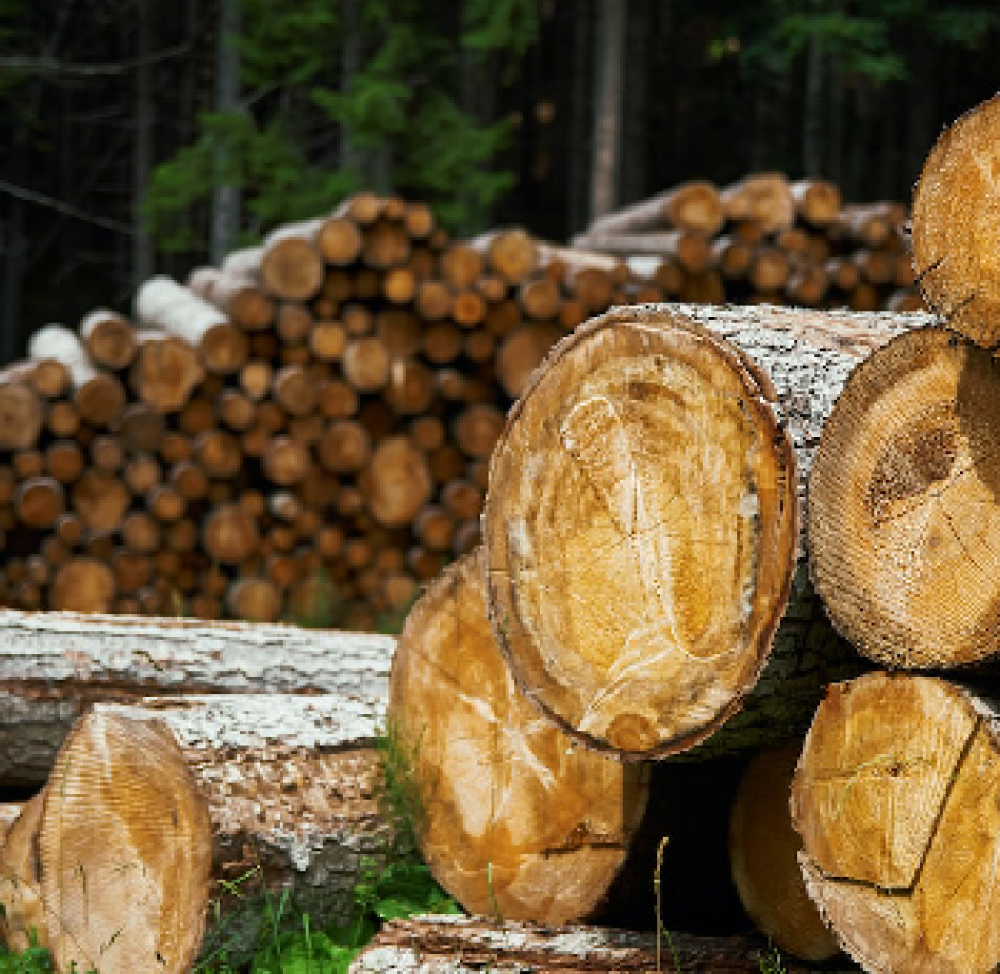
Woods are part of the plant raw materials used in perfumery, just like fruits, flowers, etc. Many woods can be used in perfumery, such as:
- cedar
- Oud wood
- Patchouli
- Vetiver
- Cypress tree
- Sandalwood
- Artificial wood components
- Jayak wood
- birch
Cedarwood _
The smell of cedar wood is reminiscent of pencil shavings, sawmill sawdust or wood chips. This type of wood blends distinctively with vetiver and citrus fruits, especially grapefruit. In addition, many cedar wood particles have been isolated from this type of wood and can be very interesting and offer... Distinctive touches of the perfume, for example, the Cedrol or cedral component.
Oud wood
Agarwood has been used for centuries for medicinal and spiritual purposes. It appears in one of the oldest human texts (Indian texts, the Bible). Also in many religions, especially Buddhism, it is burned to aid in meditation. In Islamic culture as well, it has been considered for several years as one of the essential ingredients for perfumery. It is a new woody note in the perfumer's library, completely different from the other notes. Recently, this scent attracts European and Asian customers.
Oud is a rich and wonderful ingredient produced by a tropical tree of the genus Aquilaria and when it is infected with a certain type of fungus called (Phialophora Parasitica). The infected tree reacts by producing a rare and precious resin, also known as agarwood, or agarwood. It comes from Thailand, Laos, Burma, Vietnam and India. Gives a woody, dark and strong scent.
Today, Aquilaria trees are protected in many countries in their natural form, but in some trees the bacteria are artificially inoculated.
In most specialized or exclusive perfumes of major brands, there is not even a single drop of real oud oil, because its price is higher than the price of gold. They often use re-accords combined with other natural or synthetic woody notes (cedar, sandalwood, vetiver, patchouli, incense), and many times they are combined with Cypriol, another very aromatic and strong woody note, and leather and animal notes (unlike perfumes). Refreshing - citrus, fruity or floral).
“Fake oud” copies or imitations of the smell of oud possess incredible power, sometimes even more than real oud, and make it possible to create highly effective perfumes.
Patchouli _
Patchouli offers great appeal to perfumes. The dry leaves of the tree produce a dark woody, earthy, camphorous and almost woody-sharp note in some of its features. The scent of patchouli was discovered in the West due to Kashmiri shawls imported from the East, which were wrapped in dried patchouli leaves used for protection against insects.
Recently, some companies decided to deal with the scent of patchouli and develop it so that the component that gives it a slightly earthy character was removed, and the result was a very pure and luxurious component, also called Patchouli Heart.
Vetiver _
It is an ingredient that combines the refreshing woody notes of vetiver, citrus, nutmeg, and the smell of tobacco, and attempts to create a unique accord that distinguishes the fragrance from others. The roots of this wood produce an earthy, moist, and smoky note in some versions, which gives uniqueness to the perfume, from the top notes to the base notes. Indian vetiver or Reunion, also known as Bourbon, is best used in perfumery, and Java vetiver (JAVA) is drier and rougher, so it is less interesting in perfume.
Did you know that vetiverl acetate, a molecule isolated from vetiver, is more expensive than the natural product?! This distinctive woody scent adds some hints of hazelnut, with more or less smoky touches at times.
The pine or cypress note
The pine component, or cypress, is a slightly used ingredient in the perfume industry in general. It is in the form of essential oil. It smells fresh, green, somewhat bitter, and sometimes balsamic. It may be called balsam fir. It is extracted from the pine needle and provides a sweet flavor with berry notes.
There are synthetic molecules extracted from cypress wood: Borneol and Iso bornyl acetate, which give the smell of dried pine trees.
Sandalwood _
Sandalwood, the only soft wood with a creamy finish and a pleasant woody character, is now banned from export by the Indian government to protect it, and it no longer comes from India but from Southeast Asia in general.
There are several botanical species of sandalwood, such as Santalum Spicatum, found in Australia, which is similar to cedarwood, or Santalum austrocaledonicum which comes from New Caledonia.
Natural sandalwood offers a beautiful wood material but is not very strong and stubborn in its performance. It is somewhat difficult to work with because it retains its texture and does not affect the aromatic mixture clearly, so it is often combined with some other synthetic sandalwood accords. These synthetic molecules enhance real sandalwood but should be handled with caution as they are quite far from the scent of natural sandalwood.
Synthetic woody notes
In addition to these natural woods, there are also beautiful synthetic wood notes, such as:
- Vetiveryl acetate component
This molecule, more expensive than natural vetiver, offers a very pleasant herbal scent, very fresh and pure.
- Synthetic sandalwood component
There are many molecules that offer synthetic sandalwood features, such as polysantol, sandalore, and sandella, which certainly cannot replace natural sandalwood but bring a lot of distinctive woody vibes as well as powerful performance.
Other industrial wood components:
- Evernyl: Moss note, often found in chypre perfumes.
- Cashmeran: It was discovered by chemist John Hall in 1970. It is a soft woody, somewhat oriental-like component with woody-piney features. Many classify this component as (musky).
- Ambroxan: It was developed in the late 1940s by the company Firmench. The ingredient comes with woody, musky, and animalic features with amber features.
- Cedarwood and vertofix: Ingredients close to the smell of cedarwood.
- Iso-e supe: Discovered in the late 1960s by IFF, it is a velvety, semi-musky woody synthetic ingredient that works well in all aroma families.
- Karanal: Components with a woody-amber character that always add amazing strength and a strong effect to the perfume. These molecules are very strong and are found especially in perfumes for men.
Thus, synthetic woody notes have increased the creativity of perfumery, they can also decorate the distinctive woody notes in the fragrance, such as vetiver, sandalwood, patchouli or cedarwood.
Gaiac wood
It is a wood with smoky features and a bit of leather overtones, if added in the blend it introduces a noticeably smoky scent.
Birchwood _
Contrary to what its name indicates, it is not a woody component, but rather an ingredient that has a predominantly leathery, aggressive nature. It is now banned under IFRA legislation. However, there are very good copies of this wood that contain very beautiful particles that provide leathery features, both soft and smooth. Violent, such as the sudéral component, which helps a lot in introducing a leather note and is often used to enhance the leather scent of the perfume.