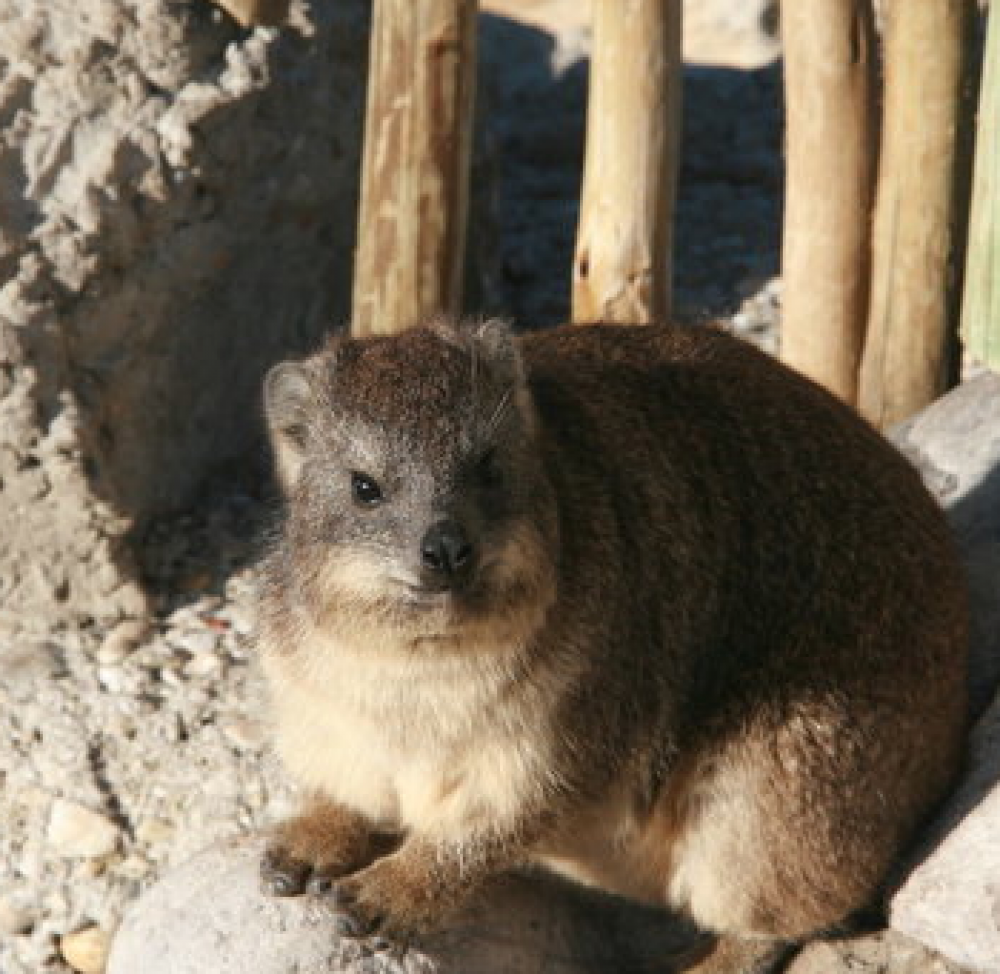
Rock lint musk is an animal oil used in the perfume industry. It is one of the types of musky oils among the natural animal ingredients, along with civet musk, deer musk, beaver musk, and whale musk.
About musk lint ( Hyraceum )
It is an essence derived from an animal called rock lint. It comes the size of a rabbit and has small, distinctive tusks. It lives in rocky caves. Musk lint consists of excrement, God bless you, then it is washed away by rain water and deposited on the soil. It often has an attractive smell. This excrement is fossilized in dam caves, for example, and then frozen. This material goes through a very long process, sometimes for hundreds of years, until the rock is completely impregnated with it.
The harvesting of pile has existed since ancient times in East Africa and is done in fairly primitive conditions. Collectors of this material must collect stones soaked in this liquid as well, and climb up into the caves using a ladder which is a somewhat risky method. Then they break stones with chisels and hammers, pick them up, and carry them on camels to the city to sell them.
According to ancient texts, the Egyptians also harvested this ingredient, which was used in mummification methods, hence its other name, the Stone of God or the Stone of Africa.
Some medical uses for lint catching
Terry musk also has healing properties that were used in ancient times by some Africans to stop bleeding and can also disinfect wounds, relieve migraines, treat some skin problems, as well as spasms related to epilepsy.
Metamorphosis of the hierosome
After the process of collecting the harvested stones, they have a thin brown color, then they are crushed and treated with hexane solution, and the liquid is collected, then filtered and filtered. This is followed by the concentration stage, until the absolute oil extract (resin) is obtained.
Meadow musk is a rare product and therefore very expensive as well as it is the only authorized natural animal product, apart from whale musk which is undoubtedly more expensive than musk.
Olfactory description of the scent of lint
After this process of metamorphosis and collection of the liquid the lint musk presents a special scent, very animalic with a leathery facet and the lint musk smell is somewhere between civet and beaver musk. It is an authorized natural animal raw material, as it does not cause any suffering to the lint animal to obtain it. Therefore, the musk trade is internationally permitted until this moment.
Other animal products to replace the musk
If a perfumer does not have a hyrisum on his aromatic organ, he can use:
Components are synthesized, such as:
- Indole, the animalic note found in jasmine
- Paracresol, Seviton, or Skatol (artificial ingredients).
natural products such as:
- Floral musks like ambrette
- Floral notes with somewhat "dirty" notes, such as cumin, labdanum, sage, Atlas cedar wood, hyssop, osmanthus, leathery notes..etc.